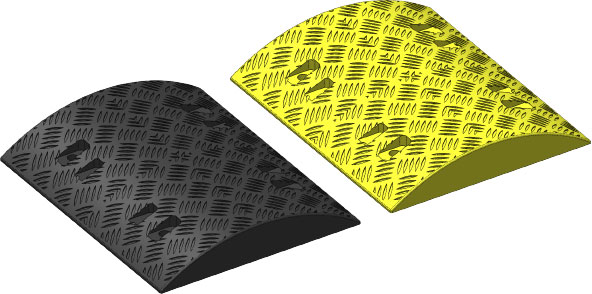
Our speed humps offer the best solutions for slowing down traffic safely. Installing our ramps will reduce the risk of accidents on your site. We ensure our products are manufacturered with only the best quality rubber, resulting in the longest working life.
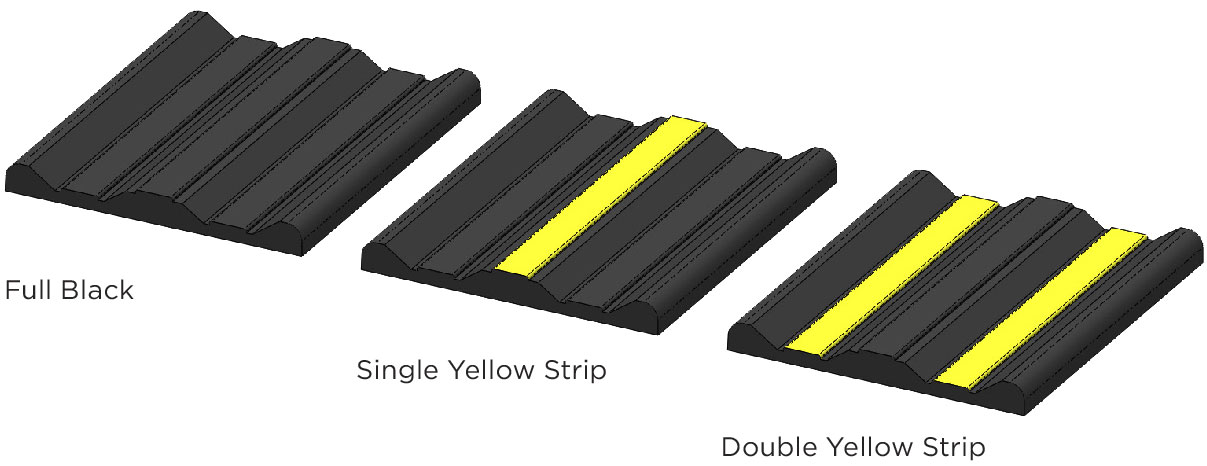
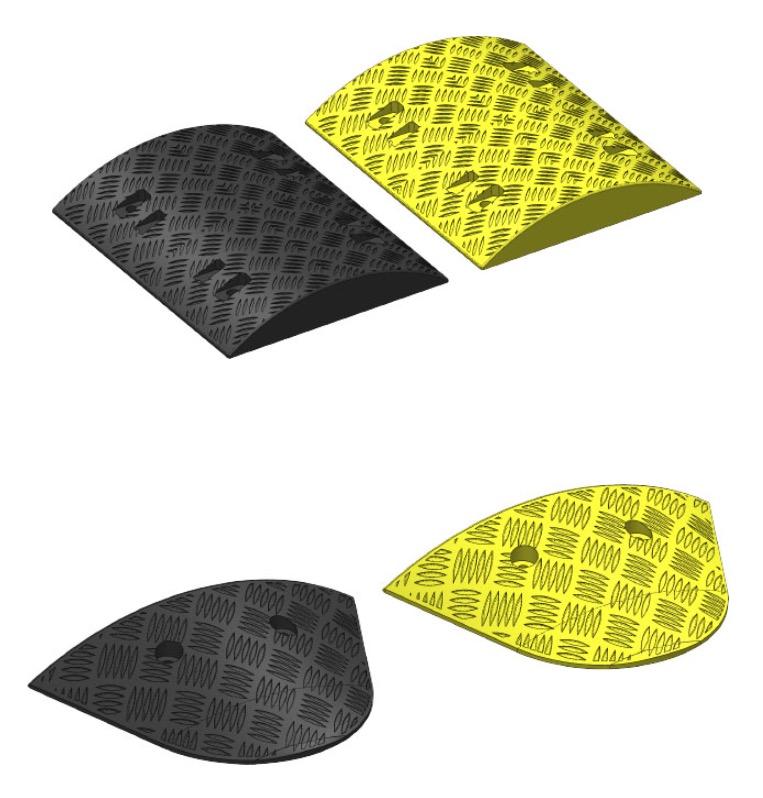
The speed humps are designed to enforce safe site speed limits slowing down all types, sizes and weights of vehicles. They manufactured in black and yellow colour, and are combined with powerful amber reflectors designed to help drivers get the maximum warning and ensure that the ramps cab be clearly seen at all times of day, and in all lighting.
Speed humps have deep ribbed surfaces for extra grip and are supplied with suitable attachment holes and can be easily fixed in asphalt, concrete or block surfaces, with standard fixings.
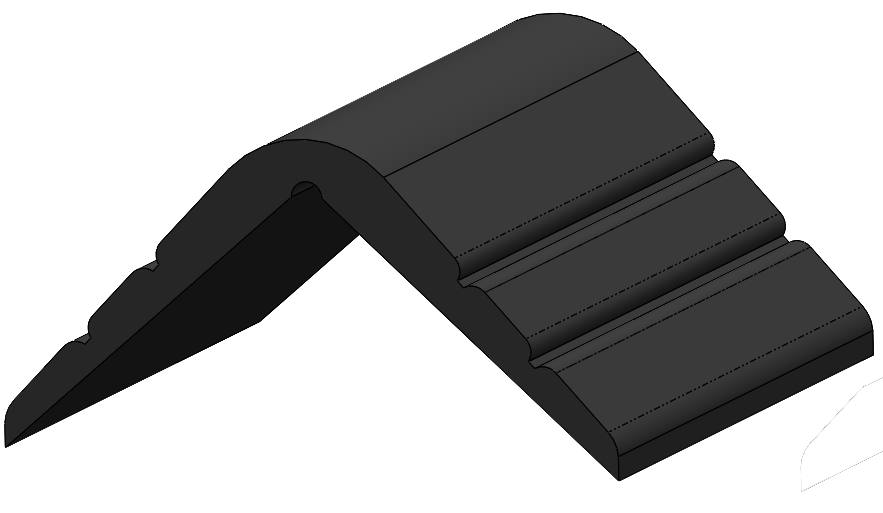
The product comes in a choice of two surface camber options: Type A: parabolic, or Type B: trapezium.
Type A - Parabolic
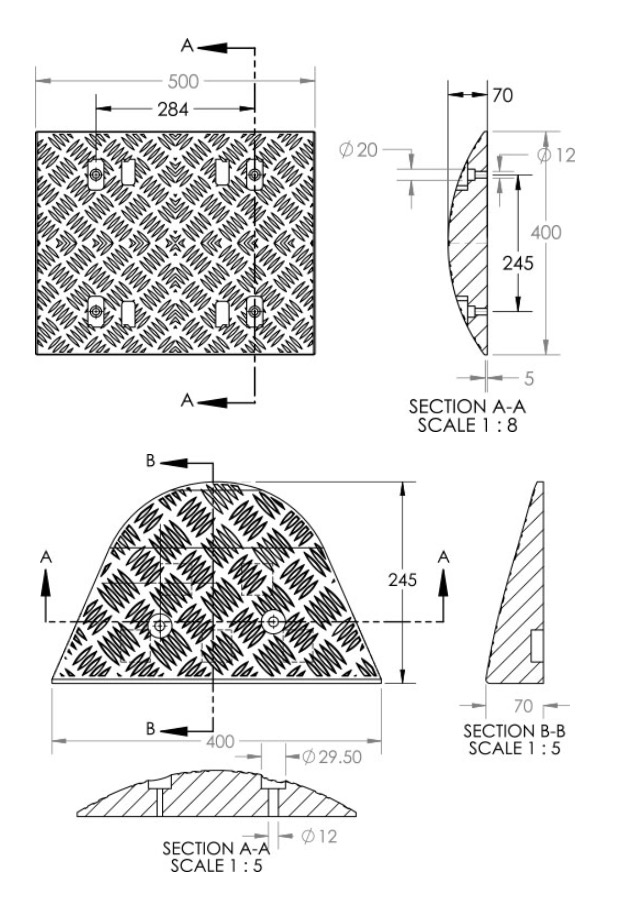
| Code | Width (mm) | Length (mm) | Height (mm) | Speed Limit (kph) |
|---|
| SH40050050 | 400 | 500 | 50 | 15 to 20 |
| SH40050070 | 400 | 500 | 70 | 10 to 15 |
Type B - Trapezium
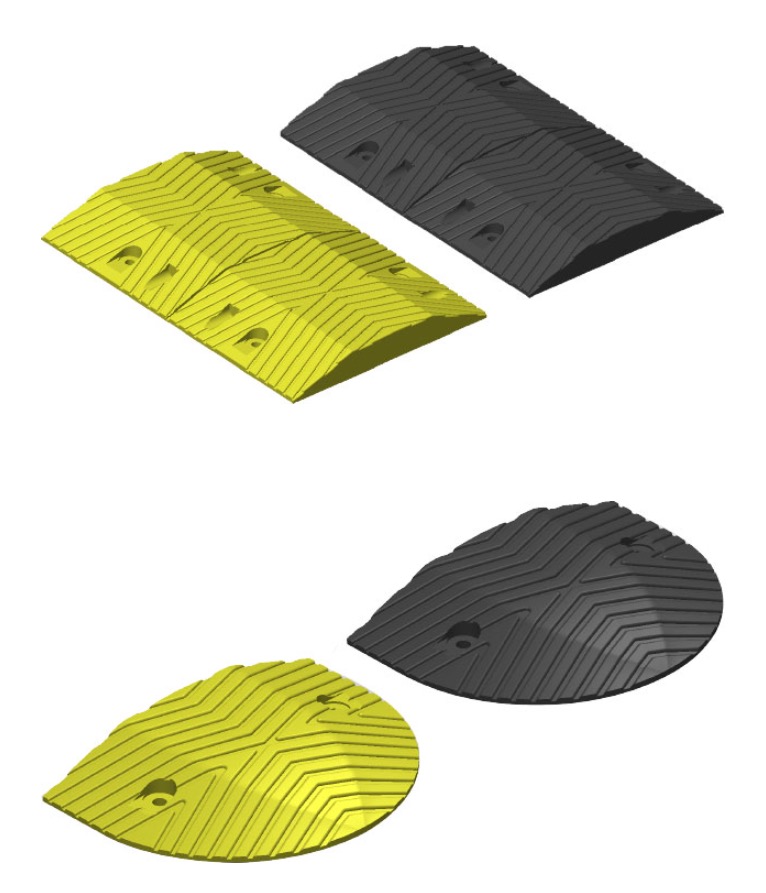
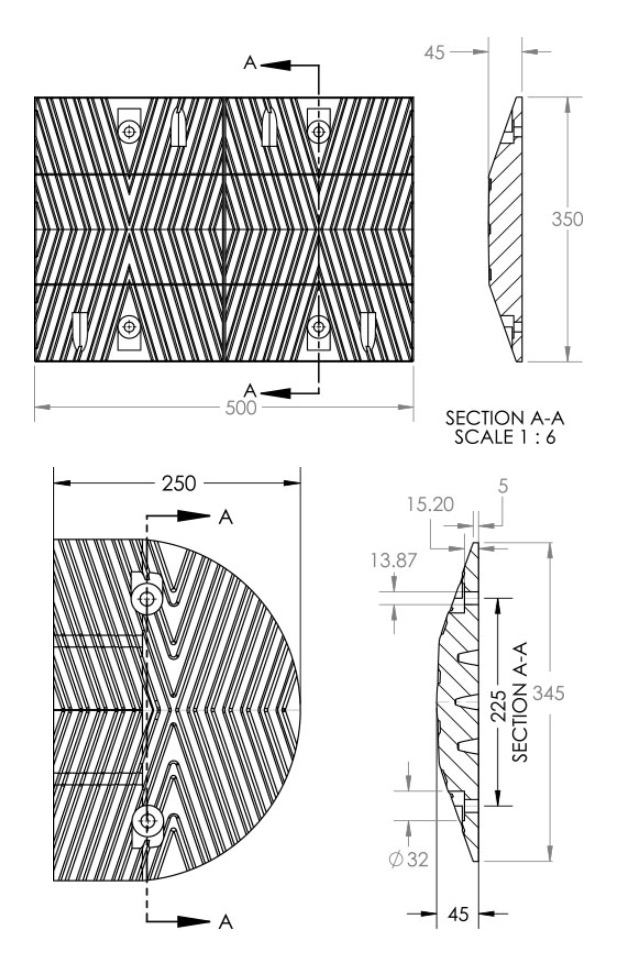
| Code | Width (mm) | Length (mm) | Height (mm) | Speed Limit (kph) |
|---|
| SH35050045 | 350 | 500 | 45 | 15 to 20 |
| SH35050050 | 350 | 500 | 50 | 10 to 15 |
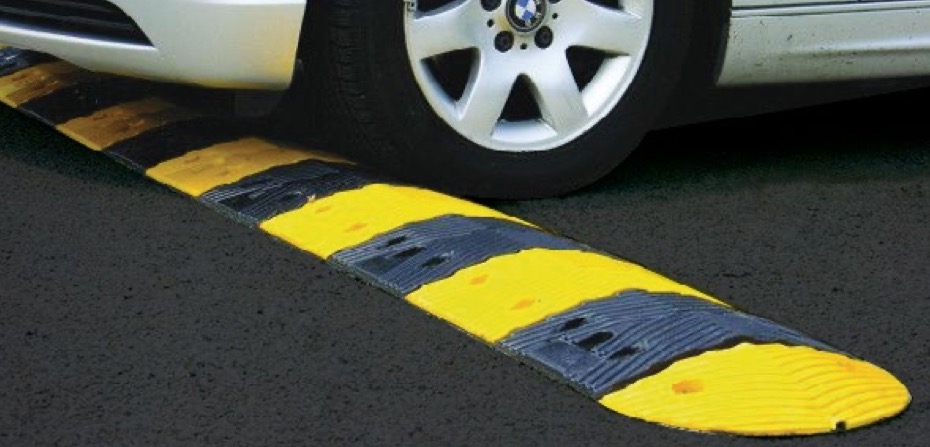
### Speed Breakers & Speed Humps: Controlling Vehicle Speed Where It Matters Most
Uncontrolled vehicle speed in car parks, warehouse yards, and private roads is one of the most common causes of preventable accidents in commercial environments. Speed bumps and speed humps provide a simple, effective solution – physically slowing vehicles to safe speeds without relying on driver compliance alone.
What Are Speed Bumps and Speed Humps?
Speed bumps are raised profiles installed across a road or traffic lane, typically 25–100mm high, designed to force vehicles to reduce speed. Speed humps are a gentler variation with a wider profile, more suited to areas where emergency vehicles or frequent traffic flow need to be accommodated. Both are available in modular sections, making them adaptable to different lane widths. Speed ramps – a related product – feature a tapered edge allowing larger vehicles to pass with less disruption.
Applications
Facilities managers install them in retail car parks and hospital access roads. Warehouse managers deploy rubber speed bumps and heavy duty speed bumps to control forklift and HGV speeds in yards. Car park operators use them to reduce vehicle damage claims and improve pedestrian safety. Private estates and schools use them to enforce low speed limits without permanent road markings.
Key Benefits
Speed reduction is immediate upon installation. Modular systems allow quick, bolt-down fitting without specialist equipment. High-visibility markings improve driver awareness in low-light conditions. Rubber and recycled-material options offer durability with environmental appeal.
Buying Considerations
Consider the type and weight of traffic: heavy duty speed bumps suit HGVs, while lighter-profile humps are better for passenger vehicles. Check material – rubber modules generally last longer than plastic. For public roads, installations must comply with the Highways (Road Humps) Regulations 1999, including height limits and consultation requirements. For private premises, these regulations are advisory but represent best practice. Always confirm whether end caps and fixings are included in the kit price.