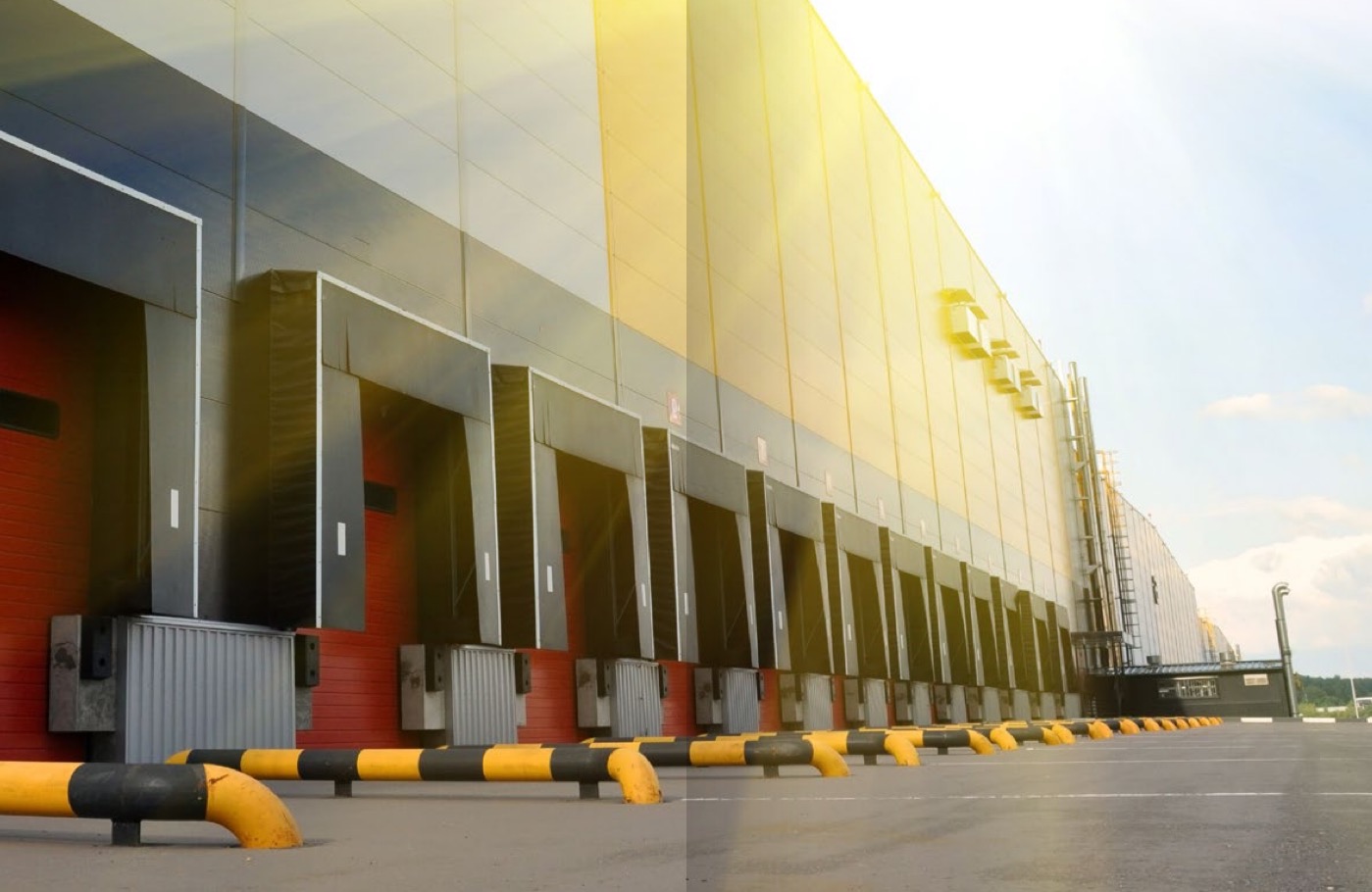
Every year, thousands of commercial buildings, warehouses, and car parks across the United Kingdom sustain preventable damage. Forklift collisions crack walls and columns. Vehicles scrape pillars in multi-storey car parks. Heavy goods vehicles reverse into loading bays with forces that buckle steel frames. The cumulative cost runs into hundreds of millions of pounds – lost productivity, rising insurance premiums, repeated repair bills, and, in the worst cases, structural failures that endanger lives.
Building protection systems exist to stop that cycle. These purpose-engineered products absorb impacts, deflect vehicles, and shield vulnerable surfaces so that buildings last longer, workplaces stay safer, and maintenance budgets stretch further.
What Are Building Protection Systems?
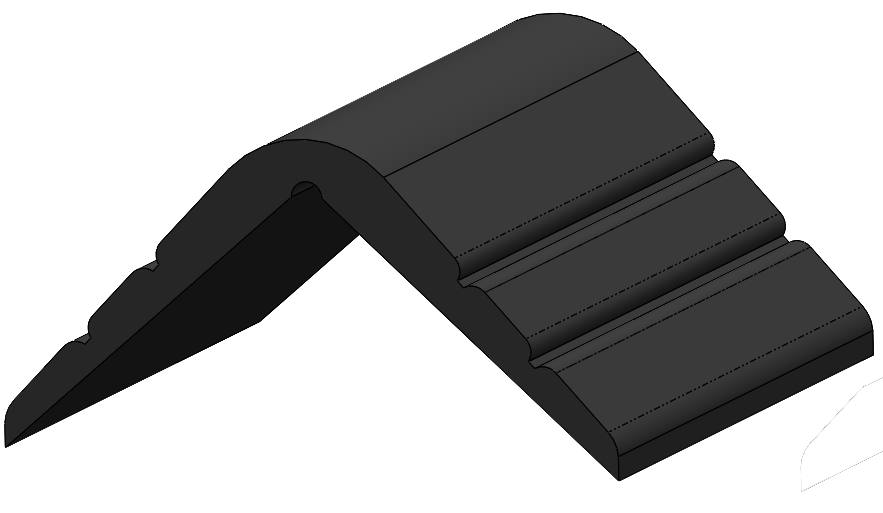
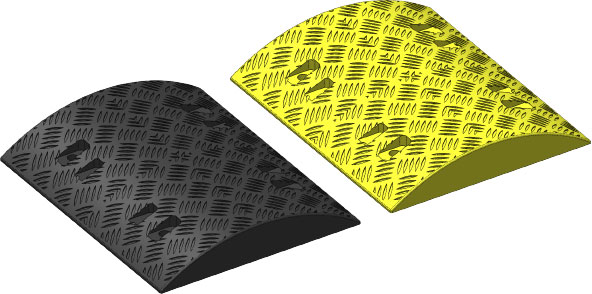
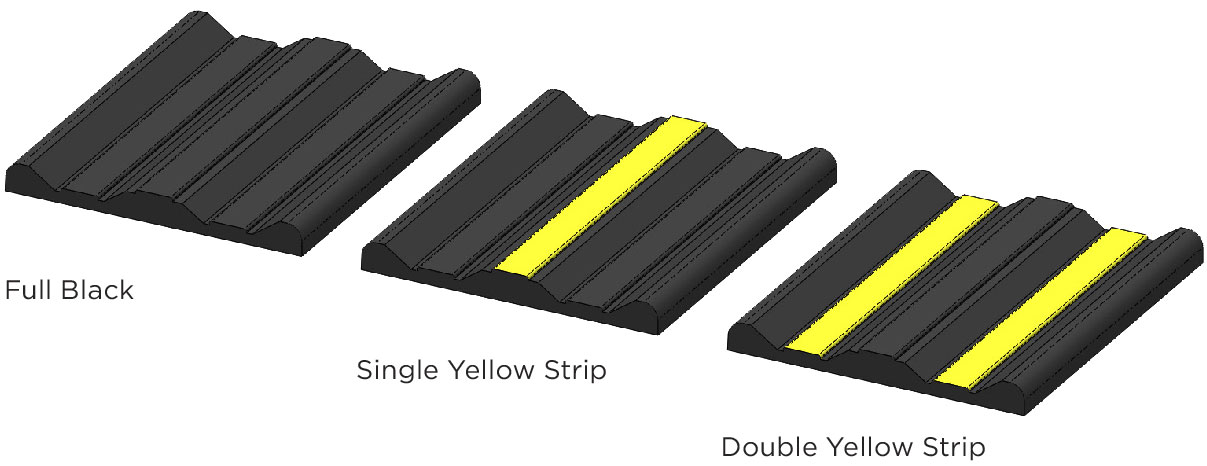
The term covers a family of rubber, polyurethane, and polymer products designed to protect structures and manage vehicle movement in commercial environments. The core product categories include speed bumps and speed humps for controlling traffic in yards and car parks; dock bumpers and laminated dock bumpers that cushion loading bays from HGV impact; corner guards and wall guards that shield walls, columns, and edges from trolleys, forklifts, and vehicles; and wheel stops and wheel chocks that prevent uncontrolled vehicle movement in parking areas and at loading docks.
Materials range from heavy-duty rubber speed bumps built for outdoor yards to high-visibility rubber corner guards suitable for hospital corridors. What unites them is a shared purpose: preventing damage before it happens.
Why Do They Matter?
For facilities managers maintaining commercial property, the economic case is straightforward. A single forklift impact to an unprotected wall can cost several thousand pounds to repair, with further expense if operations must pause. Installing wall guard strips or rubber wall guards at vulnerable points costs a fraction of that and can be done in hours, often without specialist contractors.
For warehouse and operations managers, the stakes are higher still. HSE guidance on workplace transport safety – including document L117 – specifically references the need for wheel chocking at loading docks and traffic management across industrial yards. Non-compliance risks enforcement action. Products such as rubber wheel chocks and hgv wheel stops are not optional extras in these environments; they are legal and operational essentials.
Car park operators face a different set of pressures. Vehicle damage claims, pedestrian safety incidents, and the growing need to protect EV charging infrastructure all drive demand for wheel stoppers, heavy duty speed bumps, and high-visibility column protection.
Who Needs Them?
The customer base is overwhelmingly business-to-business. Facilities managers at hospitals, schools, and retail parks. Warehouse operators running distribution centres for major retailers. Health and safety consultants specifying products after risk assessments. Property developers fitting out new commercial builds. Procurement buyers replacing worn-out dock bumpers and bump rails on a rolling maintenance schedule.
A Market With Momentum
The UK’s building protection segment is estimated at £30–60 million annually and continues to grow. Over 600 million square feet of warehouse space now operates across the country, with 30–40 million square feet added each year. Over 12,000 off-street car parks require ongoing protection solutions. Combined with tightening health and safety regulation, the rise of e-commerce-driven logistics, and increasing emphasis on sustainability through recycled-rubber products, the outlook for building protection systems is firmly positive. For any organisation responsible for commercial property, the question is no longer whether to invest in protection, but how quickly it can be put in place.